Planning a Cross-Platform Mobile App for Real Estate Builders: A Practical Checklist
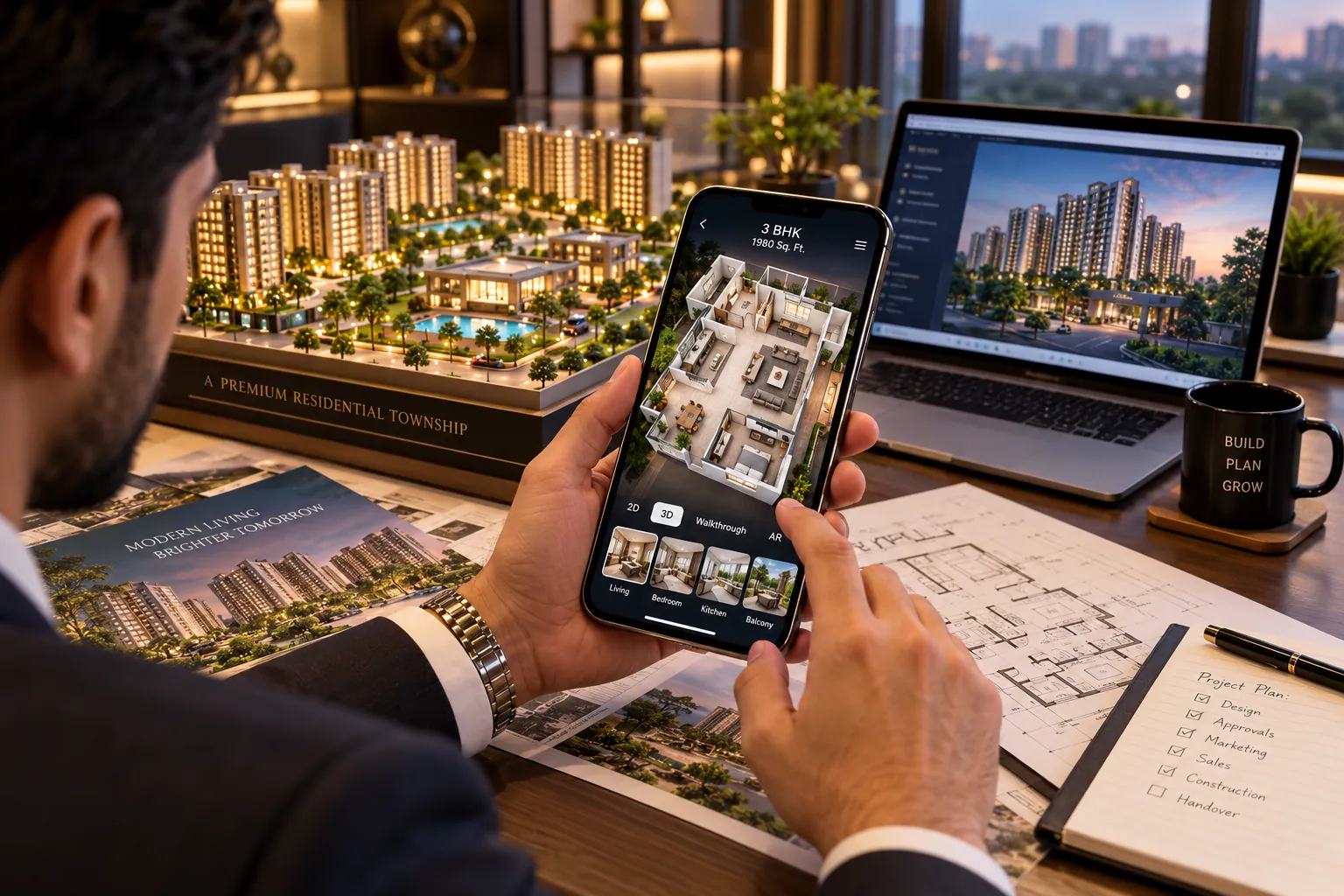
Planning a mobile app for your real estate project? Check out our practical planning checklist for cross-platform app features, updates, and lead management.
Why Real Estate Builders Need Dedicated Mobile Applications
Cross-platform mobile applications allow real estate developers to showcase properties, stream progress updates, and collect buyer enquiries seamlessly on both iOS and Android devices from a single codebase. By delivering a unified mobile experience, builders can significantly improve lead conversion rates and maintain transparent communication with existing buyers.
1. Essential Features for Property Showcase and Virtual Exploration
A successful real estate mobile app requires interactive property showcases, including detailed floor plans, high-resolution photo galleries, and real-time unit availability maps. These features allow prospective buyers to explore residential and commercial units seamlessly before booking a physical site visit.
When planning your property showcase module, ensure your checklist includes:
- Interactive Unit Layouts: Clear visual diagrams showing floor plans, square footage, and facing direction.
- Filterable Property Search: Search options based on unit type (1BHK, 2BHK, villa), budget, square footage, and project phase.
- Virtual Media Integration: Support for 360-degree video walkthroughs and high-definition gallery slides.
- Availability Indicators: Live status tags showing units as Available, Reserved, or Sold out.
2. Real-Time Buyer Enquiry and Lead Routing Capabilities
Lead routing modules in real estate apps directly capture buyer enquiries and integrate them with central CRM systems or instant messaging tools like WhatsApp. This ensures sales teams receive immediate notifications and can respond to inquiries without delay.
To ensure no prospective buyer inquiry drops through the cracks, consider the following checklist items:
- One-Tap Contact Options: Instant call, email, and WhatsApp buttons embedded on every unit listing page.
- Custom Site Visit Schedulers: Built-in calendars that allow users to select preferred dates and times for physical site tours.
- Automated CRM Sync: Seamless integration with backend lead management tools to log prospective buyer data immediately.
- Instant Inquiry Auto-Responders: Immediate SMS or push notification confirmations sent to buyers upon inquiry submission.
3. Construction Progress and Buyer Update Modules
Construction progress update modules provide existing buyers with visual milestone timelines, photo logs, and automated push notifications regarding their property's status. Maintaining transparency builds trust and reduces manual customer support inquiries for township developers.
Key update requirements for your development checklist include:
- Milestone Activity Feeds: Chronological updates showing foundation, structural, electrical, and finishing progress.
- Document Access Portals: Secure storage for buyers to review booking receipts, payment schedules, and allotment letters.
- Push Notification Alerts: Automated broadcasts notifying home buyers whenever new progress photos or legal approvals are uploaded.
- Payment Schedule Tracking: Clear visibility into upcoming construction-linked payment installments.
4. Technical Architecture: Choosing the Right Cross-Platform Framework
Selecting a cross-platform framework like Flutter or React Native enables developers to build iOS and Android apps simultaneously using a single codebase. This approach significantly reduces initial development costs and simplifies long-term software maintenance for real estate builders.
Before kicking off development, review these architectural technical points:
- Single Codebase Maintenance: Verify that core app features function consistently on both Android and iOS without requiring duplicate development teams.
- Offline Accessibility: Ensure property brochures and saved floor plans remain viewable even when potential buyers have weak cellular connectivity.
- Scalable Cloud Backend: Utilize flexible cloud infrastructure to handle traffic spikes during new project launches or marketing campaigns.
- Data Security & Privacy: Protect user phone numbers, financial payment records, and personal documents with end-to-end encryption.
Summary Checklist for Township App Planning
Before initiating app development, real estate builders should finalize their target audience, inventory mapping strategy, lead routing workflows, and post-booking buyer engagement goals. Addressing these requirements early ensures a smoother build process, predictable budgets, and an app that delivers measurable ROI for property sales teams.
Frequently Asked Questions
Q: Why choose a cross-platform mobile app over separate native apps for real estate?
A: Cross-platform frameworks like Flutter or React Native allow builders to deploy on both iOS and Android from a single codebase, reducing development time and maintenance overhead while maintaining high performance.
Q: Can real estate mobile apps integrate with existing CRM systems?
A: Yes, cross-platform apps can connect via secure APIs to popular CRMs, enabling automatic lead logging, immediate sales assignment, and instant follow-ups.
Q: How do construction progress updates benefit township developers?
A: Providing visual progress updates directly inside the app increases buyer satisfaction, builds trust, and drastically reduces repetitive inbound inquiries to customer support teams.